Rechercher dans ce blog

Monday, January 29, 2018

Violence, Insecurity Blocking Polio Eradication in Pakistan 

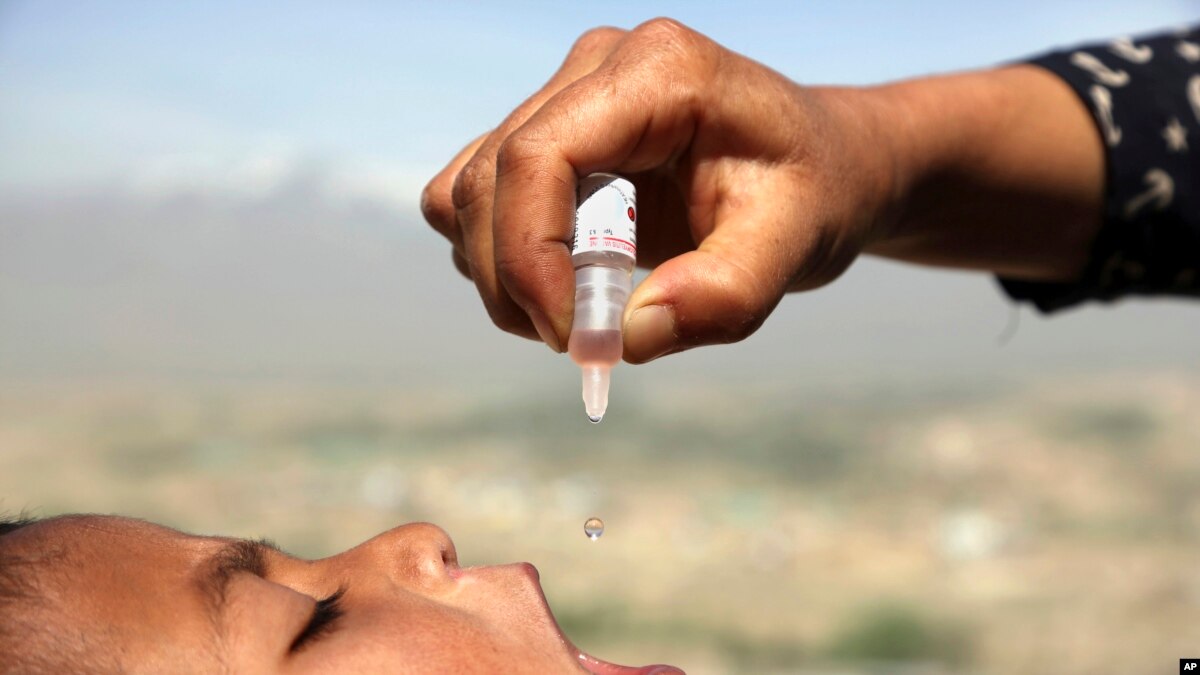
Polio cases in Pakistan rose by 73 percent during the most intense periods of civil conflict there in recent years, according to a new study.

The report, in the journal Proceedings of the National Academy of Sciences, is one of the first to provide concrete evidence of the impacts insecurity has on efforts to eradicate the paralyzing disease.

Over the past three decades, polio has gone from infecting more than 1,000 children per day to just a handful of cases per year. But experts say as long as the disease circulates anywhere, it remains a threat to unvaccinated children everywhere.

WATCH: The fight against polio continues

Pakistan, Afghanistan and Nigeria are the last three countries on Earth that have not stopped the disease from spreading.

All three suffer from violent militant attacks.

The polio eradication campaign has overcome violence before. Vaccinators have brokered cease-fires in El Salvador, Lebanon, Sri Lanka, the Democratic Republic of the Congo and elsewhere, all of which are now polio-free.

“The question is, is the effect (of insecurity in Pakistan) big enough to really be a barrier to polio eradication?” asked lead author Amol Verma at the University of Toronto.

“Our study suggests that yes, it is,” Verma said.

While polio vaccination teams have been singled out for attacks, including a mother and daughter in Quetta earlier this month, Verma and colleagues looked at violence more generally. They studied casualty figures from terrorist attacks, suicide bombings, drone strikes and gun battles tallied from news reports at pakistanbodycount.org and other sites.

They compared these data to monthly, district-by-district statistics on new polio cases, and data from polio campaigns on the numbers of children reached.

Although conflicts sometimes forced the cancellation of a campaign, the violence had an impact even when vaccinators continued their work.

“Even when vaccination campaigns were carried out in times of high insecurity, the vaccination coverage was about 5 percent lower than in times of low insecurity,” Verma said.

Health workers have been "rather heroic in trying to reach people in these very difficult-to-reach regions," he added, explaining that vaccinators would reach everywhere they could, but knew some areas were too dangerous.

Those unreachable areas added up to more than a quarter-million children not getting vaccinated, and a 73 percent increase in newly paralyzed children.

“Even though it’s only a 5 percent reduction in vaccination rates, that is enough to allow the virus to continue to be circulated and transmitted,” he said.

The study authors acknowledge that campaign officials sometimes falsify records, and population data in Pakistan are limited.

“Despite data collection issues and the inherent difficulty of accurately quantifying levels of insecurity and its impact, the authors have statistically shown that a causal relationship between insecurity and polio incidence exists,” said Richard Sullivan, co-director of the Conflict and Health Research Group at King’s College London, who was not involved with this study.

Let's block ads! (Why?)

Read More Violence, Insecurity Blocking Polio Eradication in Pakistan  : http://ift.tt/2BDuCOv
Witness: Kim Jong Nam Met With an American Days Before Assassination  

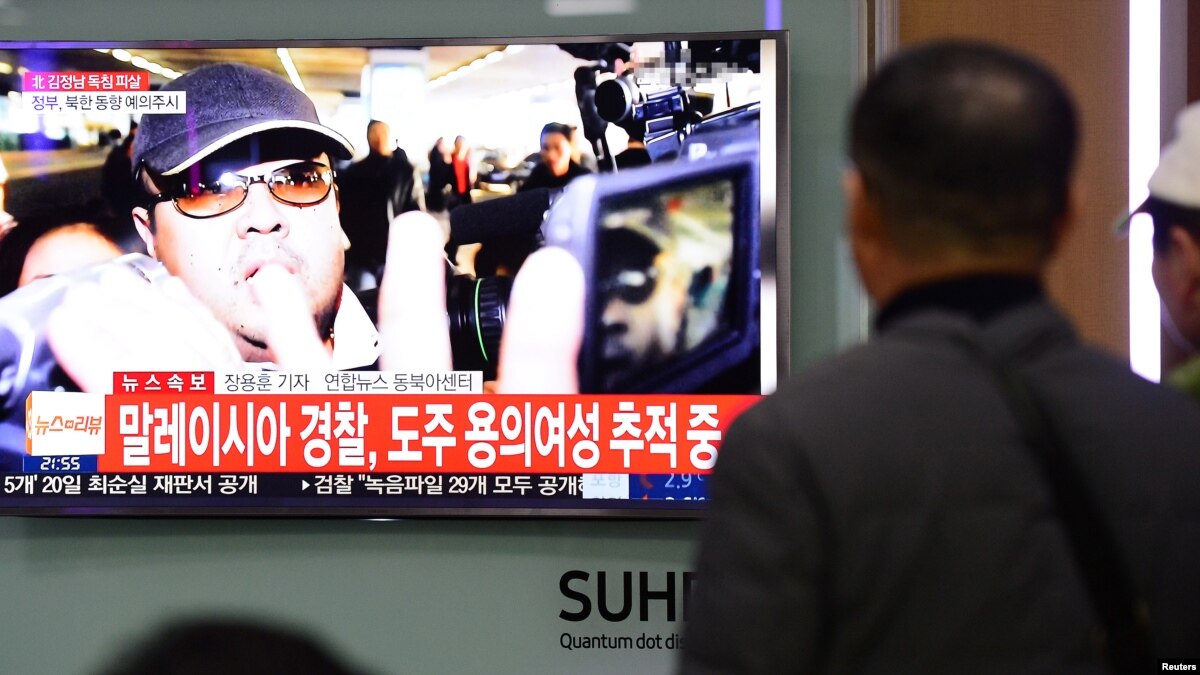
The half brother of North Korean leader Kim Jong Un met with an unidentified American in Malaysia four days before he was assassinated, a police official told a court hearing Monday.

Kim Jong Nam traveled to Langkawi Island, a tourist spot off Malaysia’s west coast, before meeting with an American on Feb. 9, the lead police investigator in the case, Wan Azirul Nizam, told the court.

But Nizam was unable to confirm the hotel or name the American.

"Until today, the identity of the person being referred to could not be obtained," he said.

A police computer forensics report showed that a laptop belonging to Kim was last used on the same day and that a USB drive had been connected to it — four days before he was killed on Feb.13 when two women allegedly smeared his face with a VX nerve agent as he waited to board a flight to Macau.

Malaysian investigators say four unidentified suspects in Kim’s killing are still at large. Lawyers for the two women said they believed they were taking part in a reality television show hoax. South Korea’s intelligence agency says Kim was the target of an assassination plot ordered by his estranged brother.

Kim Jong Nam reportedly fell out of favor with his and Kim Jong Un’s father, the late Kim Jong Il, in 2001, when he was caught trying to enter Japan on a false passport to visit the Disneyland theme park in Tokyo.

Let's block ads! (Why?)

Read More Witness: Kim Jong Nam Met With an American Days Before Assassination   : http://ift.tt/2nhAwkk

Philippines Eyes Turning Volcano Villages to 'No Man's Land'

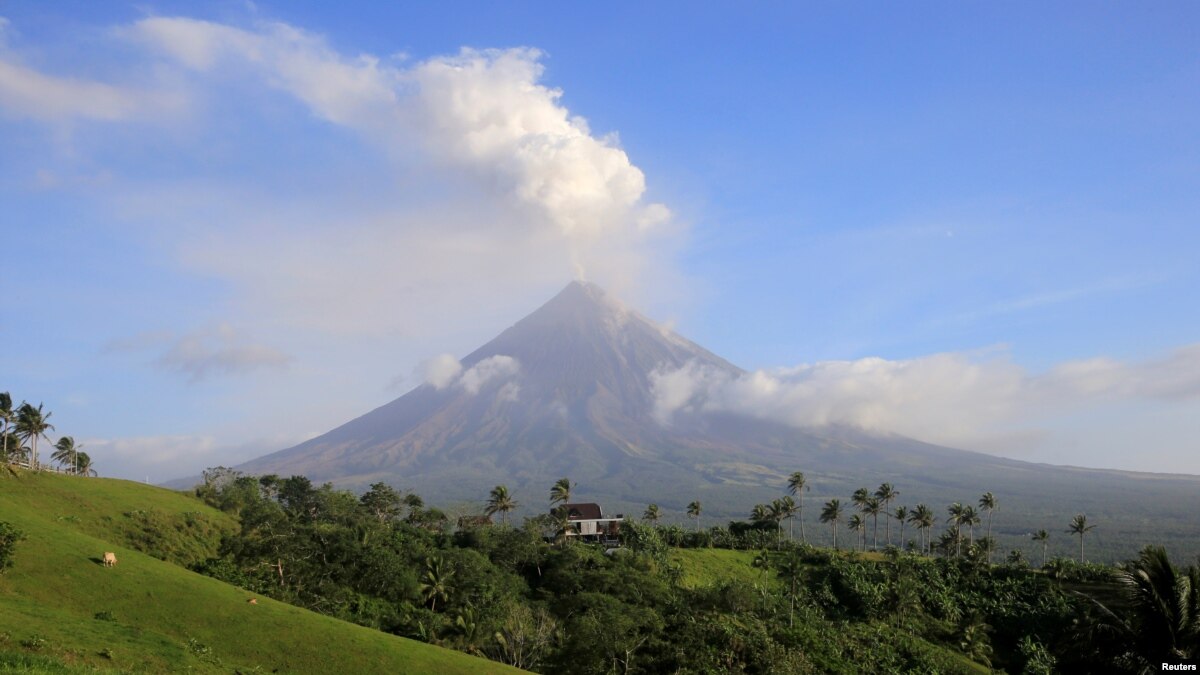
The Philippine defense chief has recommended that villages in a danger zone around erupting Mount Mayon be turned into a permanent"no man's land" to avoid evacuating thousands of residents each time the country's most active volcano explodes.

President Rodrigo Duterte expressed support for the recommendation of his defense secretary, Delfin Lorenzana, during a meeting Monday with officials dealing with the two-week eruption of Mayon. But he said the government may have to expropriate land from private owners and added that such a move could spark"a social problem again."

Mayon has been belching red-hot lava fountains, huge columns of ash and molten rocks into the sky and plunging communities into darkness with falling ash in northeastern Albay province, about 340 kilometers (210 miles) southeast of Manila. More than 80,000 villagers have fled to dozens of schools turned into emergency shelters, where a lack of toilets and other problems with congestion have emerged.

The proposal is complicated given that thousands of impoverished villagers have settled through the years in a government-declared 6-kilometer (3.7-mile) permanent danger zone around Mayon, where they have survived on farming for generations.

As Mayon grew more restive this month, authorities expanded the danger zone to cover more communities and forced thousands more to swarm into dozens of emergency school shelters. Albay Gov. Al Francis Bichara told the president and other officials that his provincial disaster funds were running low.

Albay officials declared the entire province of more than 1.3 million people under a state of calamity two weeks ago to allow faster releases of disaster funds. Duterte ordered the provision of additional funds to deal with the latest crisis he has faced.

"There is actually a permanent danger zone. Why don't we declare that as a no man's land so that no people will go there anymore because each time Mayon's eruption ends residents go back until the next explosion comes," Lorenzana said."We will have always this problem of evacuation."

A national park in Mayon's shadow could be expanded around the base of the 8,070-foot (2,460-meter) volcano where trees could grow partly as a buffer to stop volcanic floodwater and mudflows from devastating nearby towns and cities, Lorenzana said.

"The first thing that we have to find out is what would be the solution for people who are there tilling the land which they own and is titled in their name," Duterte said.

While thousands have evacuated areas around the volcano, villagers have sneaked back in to check on their homes, farms and animals, and police and army troops have struggled to turn back tourists who want a closer view of Mayon.

Mayon, which is famous for its near-perfect cone, has erupted about 50 times in the last 500 years. In 2013, an ash eruption killed five climbers who had ventured near the summit despite warnings.

The Philippines has about 22 active volcanoes. The explosion of Mount Pinatubo in 1991 was one of the biggest volcanic eruptions of the 20th century, killing hundreds.

Associated Press writer Jim Gomez in Manila, Philippines, contributed to this report.

Let's block ads! (Why?)

Read More Philippines Eyes Turning Volcano Villages to 'No Man's Land' : http://ift.tt/2rORHym

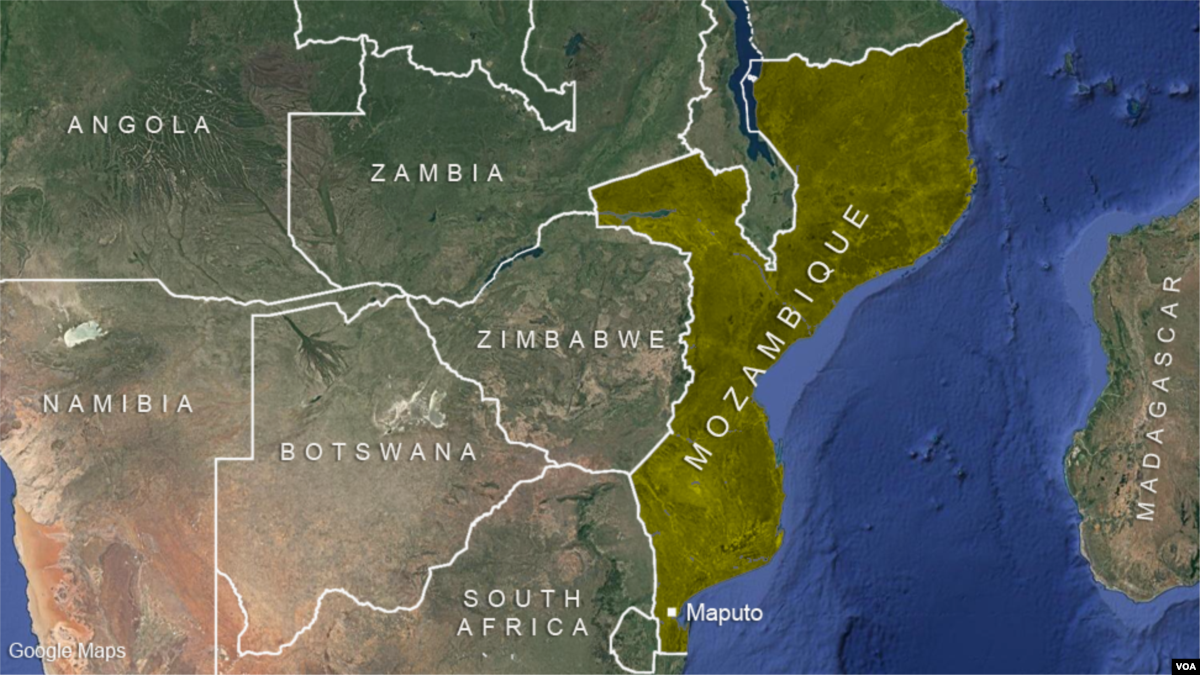
Mozambique Takes Legal Action Over $2 Billion Loans

Mozambique's Attorney General has filed a legal complaint against officials and state-owned companies involved in securing $2 billion in loans that were not approved by parliament or disclosed publicly, her office said on Monday.

Investigations into the debt found that the deals violated Mozambique's constitution, the AG's office said in a statement.

The alleged infringements included failure to comply with the procedures and limits established by law in the issuance of guarantees by the state, it said.

"Thus, on January 26, the [office] submitted a complaint to the Administrative Court on the financial accountability of public managers and state-owned companies involved in the management of financing, supply and service contracts," the statement read.

It did not name any of the managers or the companies.

The Administrative Court is responsible for ruling on the legality of public expenditure.

An independent audit of the debt showed in June last year that questions remained on how the $2 billion was used and roughly a quarter of the money remained unaccounted for.

The Attorney General also recommended among other issues a review of legislation related to state businesses and scrutiny and monitoring of projects benefiting from state guarantees.

Let's block ads! (Why?)

Read More Mozambique Takes Legal Action Over $2 Billion Loans : http://ift.tt/2rNOzTr

Pakistan, China Jointly Showcase Arabian Sea Gwadar Port

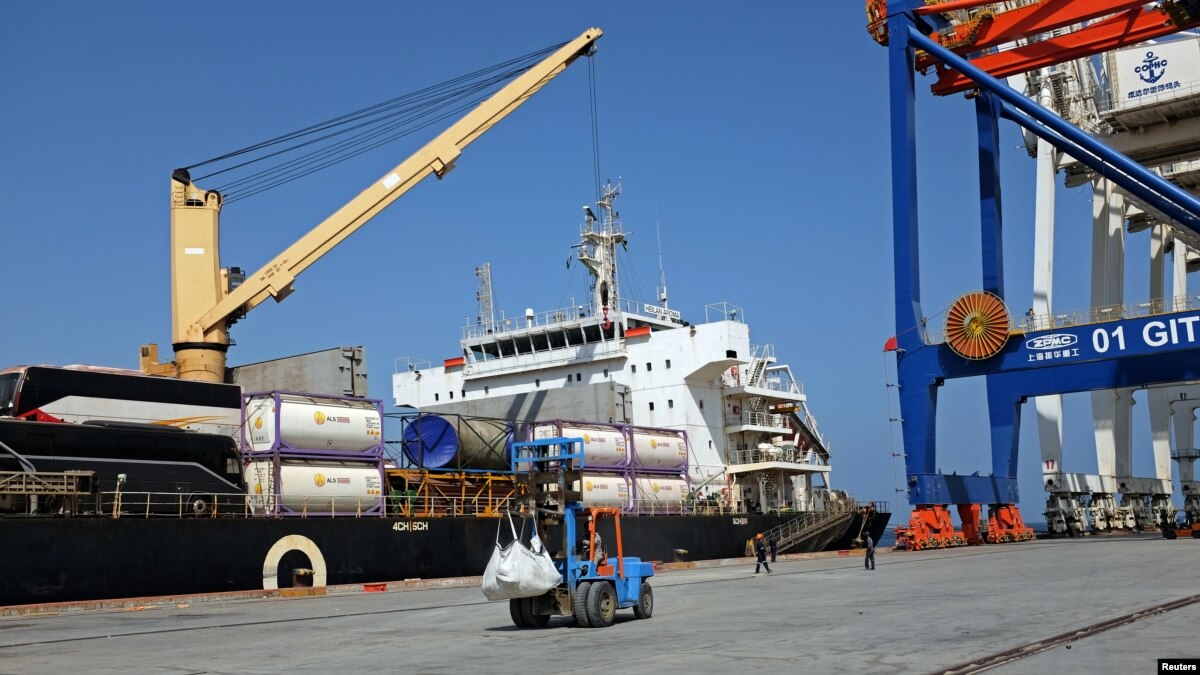
Pakistan and China have jointly organized the first international exhibition to showcase the significance of the Arabian Sea Gwadar Port and its economic free zone as an emerging international business hub.

The warm water deep sea commercial port, which overlooks some of the world’s busiest oil and gas shipping lanes, has been built and recently expanded with Chinese financial assistance.

More than 200 companies from both China and Pakistan were present in Monday’s event at Gwadar, while six Chinese provinces also sent their representatives, said Beijing’s ambassador to Islamabad, Yao Jing, while addressing the ceremony.

Foreign diplomats and business leaders were also invited to the opening session of the two-day event.

Chinese operators of the port say the Gwadar Free Zone shall bring extensive economic benefits, like a tax holiday for 23 years and land lease up to 99 years to the upcoming businesses along with other incentives and pro-business policy frame work for general trade, services, manufacturing, logistics, trans-shipment and bunkering business.

Direct benefit for Pakistan

Gwardar port is to be a trans-shipment hub connected to landlocked western Chinese regions, giving Beijing a secure and shorter international trade route through Pakistan.

Gwadar is celebrated as the gateway to the China-Pakistan Economic Corridor, or CPEC, a flagship of President Xi Jinping’s global Belt and Road Initiative to build a new “Silk Road” of land and maritime trade routes across more than 60 countries in Asia, Europe and Africa.

Under CPEC, networks of road, communications, rail, economic zones and power plants are being built and upgraded in Pakistan with an estimated Chinese investment of $62 billion.

Around $27 billion in projects are underway or completed, including “early harvest” energy projects, adding much-needed electricity to Pakistan’s national grid.

“I would like to say that the Chinese government will continue to invest and send our input to further support the development of this project. Also, we will encourage Chinese companies and Chinese businessmen to join the development of Gwadar,” vowed Chinese envoy Jing.

Wider benefit planned

During the ceremony, Pakistani Prime Minister Shahid Khaqan Abbasi said CPEC is the “most visible part” of China’s of BRI, saying the mega project will cater not only to the needs of his country, but to the needs of the region.

Officials expect Gwadar’s cargo handling capacity to increase to 1.2 million tonnes by the end of this year and it will be able to process about 13 million tons by 2022, making it the largest port in South Asia.

Chinese partners say they would need around 38,000 skilled workers by 2023 for the Free Zone, according to Dostain Jamaldini, Chairman of the Gwadar Port Authority. He says of the 2,500 current workers, around 500 are Chinese nationals and the rest are locals.

An international airport with a 12,000 meter runway is being constructed in the once sleepy town with a Chinese financial grant of around $300 million.

The Arabian Sea port is located in Pakistan’s largest province of Baluchistan where militant groups, including Islamic State, and a low-level insurgency remain key security challenges to CPEC.

Additionally, the corridor runs through Pakistan-controlled portion of the divided Kashmir region, drawing objections from rival India. The United States suspects China may also turn Gwadar into a military base.

But Chinese officials reject those concerns, maintaining “CPEC is merely an economic cooperation project,” and Islamabad dismisses New Delhi’s opposition as politically motivated.

Let's block ads! (Why?)

Read More Pakistan, China Jointly Showcase Arabian Sea Gwadar Port : http://ift.tt/2El25QJ

North Korea Cancels Joint Performance with South Korea

North Korea has cancelled a joint cultural performance with the South planned ahead of the winter Olympic Games, South Korea's unification ministry said Monday.

Pyongyang blamed South Korean media for encouraging "insulting" public sentiment regarding the North and cancelled the February 4th event to be held in the North to celebrate the upcoming games in PyeongChang, South Korea. Seoul called the decision "very regrettable" and urged its neighbor to uphold all agreements made between the two countries, Reuters reported.

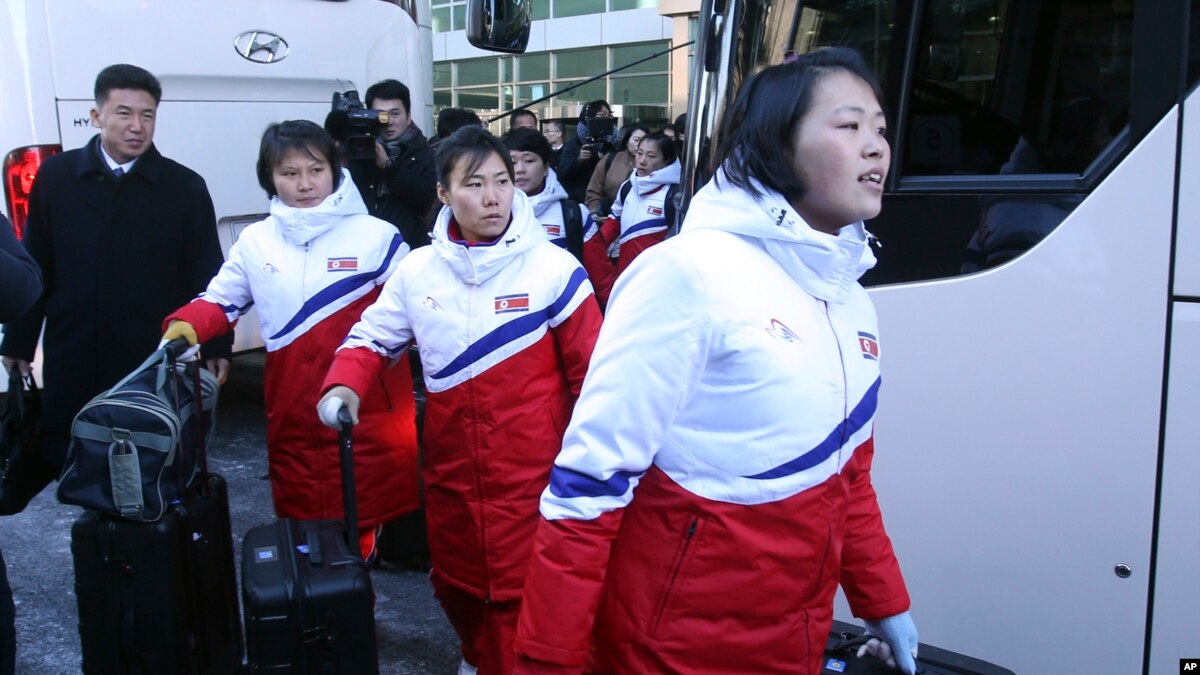
Last week, twelve North Korean female ice hockey players crossed the border to join their counterparts in the South to form the first-ever unified Korean Olympic team since the two sides split in the 1950s civil war.

The surprise offer by North Korean leader Kim Jong Un to send a delegation to the PyeongChang Games during his New Year's Day speech paved the way for restored dialogue between Pyongyang and Seoul, which had been frozen due to North Korea's development of its nuclear and ballistic missile weapons programs in defiance of international sanctions.

The talks led to an agreement for both sides to march in the February 9 opening ceremonies under a unified flag, as well as the formation of the joint women's hockey squad.

But South Koreans have grown increasingly angry over the combined team, believing their compatriots will lose playing time to the North Koreans and that President Moon Jae-in gave up too much to the North in his eagerness to have Pyongyang participated in the Games.

Let's block ads! (Why?)

Read More North Korea Cancels Joint Performance with South Korea : http://ift.tt/2rPfRbW

US Explores Ties With Controversial Indonesian Army Unit

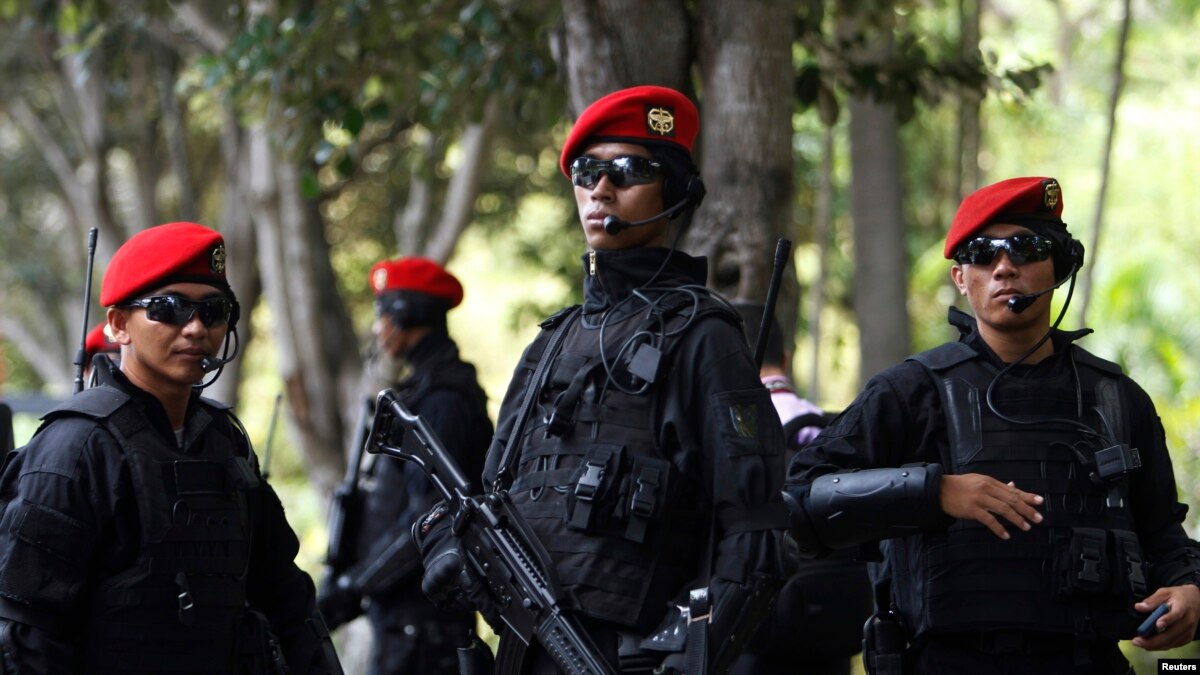
Human rights supporters are concerned by the potential relationship between the American military and an Indonesian special forces unit that has been linked to human rights abuses in East Timor, Aceh, and Papua.

Defense Secretary Jim Mattis stated that he will explore reopening ties with the unit, called Kopassus, even though it is currently precluded under the so-called Leahy Laws, sponsored by Vermont Senator Patrick Leahy (D), which state that the State Department and military are barred from assisting any foreign security forces that have violated human rights “with impunity.”

“United States aid conveys legitimacy, and it assumes a common respect for justice and human rights,” said Sen. Leahy last week. “The question Secretary Mattis needs to answer is whether the Indonesian government has punished the Kopassus officers who ordered and covered up those horrific crimes, and whether members of Kopassus today are accountable to the rule of law.”

"All superpowers including the U.S. have a moral obligation to make our world better," said Andreas Harsono, a senior researcher with Human Rights Watch Indonesia. He criticized the potential partnership by writing that “to restore assistance to Kopassus is to reward Indonesia for doing nothing.”

Secretary Mattis visited Indonesia last week and was met with a spectacular display from the country’s troops, who drank snake blood, walked on fire, rolled in glass, and performed a hostage rescue demonstration to the tune of “Mission Impossible.”

History of Kopassus

Kopassus, which is short for "Special Forces Command” in Indonesian, was founded in 1952 and its activities include unconventional warfare, sabotage, counter-insurgency, counter-terrorism, and intelligence. It gained notoriety for its abuses in East Timor during the Indonesian occupation there (which ended in 1999) and in the 1998 Jakarta race riots, when Kopassus was involved in the murders of and violence against Chinese Indonesians. The unit was strongest during the Suharto dictatorship, which fell in 1998, and has had a somewhat diminished stature in the democratic era.

“It is still in a prestigious position for sure, but it’s a far cry from its position during Suharto’s New Order,” said Yohanes Sulaiman, a defense studies professor at General Achmad Yani University. “If there’s normalization [of relations with the U.S.], the head of Kopassus could be very important again.”

“The big question is whether the United States Senate will allow it, since there’s no way Kopassus will apologize or be held responsible for what happened in East Timor,” said Sulaiman. “It’s hard to say what the outcome will be because the ball is in the United States’ court, not Indonesia’s.”

WATCH: Indonesian Special Forces demonstration

Mattis’s Indonesia counterpart, Ryamizard Ryacudu, expressed hope that the U.S. would reverse its sanctions on the unit, which were made in light of rights abuses in East Timor during that nation’s independence struggle in the late 1990’s.

“For a while there have been sanctions against Kopassus ... [Mattis] will try to remove this,” said Ryacudu last week. “One of the sanctions is clearly that they are not allowed to go to America. They can’t do training together, and he will reopen this.”

Mattis told reporters in Jakarta that the military would go through “established procedures” to consider reopening ties with Kopassus.

US / Indonesia ties

Mattis’s Indonesia trip came at the heels of his strategy to strengthen foreign military alliances as a bulwark against Russian and Chinese power. But it’s unlikely that Indonesia will go out of its way to take sides, so to speak, between the U.S. and China.

Although Indonesia has been lately vocal on issues in the South China Sea, that has more to do with its own sovereign interests than great power geopolitics. In fact, ever since founding the Non-Aligned Movement in the Cold War, Indonesia has taken pains to not to form explicit alliances with world powers like the U.S.

“Why is Indonesia careful about relations with China? Economics, of course,” said Arbi Sanit, a political scientist at the University of Indonesia. “Chinese investments in Indonesia have been rising steadily, so that is always a concern."

Indonesia exports roughly the same amount to China and the U.S. ($16 billion) but imports much more from China: $30.1 billion vs $7.3 billion. China is its number one trade partner for both imports and exports by volume. "At the same time," said Sanit, "America’s power has decreased in the region and they want to change that… But I think what Indonesia will continue to prioritize in foreign policy is independence — against ASEAN, against China, and also against the United States.”

Let's block ads! (Why?)

Read More US Explores Ties With Controversial Indonesian Army Unit : http://ift.tt/2DJifT8

Search

Featured Post

Rubin Museum, Haven for Asian Art, to Close After 20 Years - The New York Times

It is the first major art museum in New York to close within recent memory. The museum had financial challenges and has faced accusations o...

Postingan Populer