Rechercher dans ce blog

Showing posts with label Asian News. Show all posts

Thursday, May 2, 2019

Trump’s Sanctions Wage Economic War

President Donald Trump is increasingly reliant upon economic sanctions to achieve his foreign policy goals, despite a repeated emphasis that the use of military force remains a viable option. However, these coercive measures, analysts say, have not produced their intended results, and at times have put the United States at odds with allies.

Venezuela

In the case of Venezuela, the Trump sanctions that include the seizure of Venezuela’s oil assets in the United States, along with joining more than 50 other countries in recognizing Juan Guaido, the head of the National Assembly, as the interim president, have energized the opposition. Despite the economic pain caused by the sanctions, the massive protests in the country, and reports of growing mid-level military support for the opposition, socialist leader Nicolas Maduro has continued to hold on to power through increasing political repression.

Short of using military force that could entangle the United States in a protracted civil war, there are few other measures the Trump administration can take to force democratic change in Venezuela.

“Because the costs are limited to us. It also means the benefits will likely be limited. We could accept more costs and achieve more benefits if we were for example, to invade these countries, change their governments, force them to adopt policies we want,” said Richard Weitz, a political-military analysis at Hudson Institute in Washington, DC.

Iran

Trump has more aggressively imposed unilateral sanctions than past presidents against countries like Venezuela, Iran, Cuba and North Korea, and in threatening to target more third party countries that violate U.S. restrictions.

“He's following the thesis that, you know, began to be articulated in the Congress and in the 90s, which is you should force other countries to make a choice. They can do business with us, or they can do business with Iran, or Cuba, North Korea,” said William Reinsch, an international business analyst at the Center for Strategic and International Studies in Washington, DC.

After withdrawing from the Iranian nuclear deal, negotiated by the previous administration of President Barack Obama, Trump's security team recently warned third party countries, including allies South Korea and Japan, of impending sanctions if they continue to buy Iranian oil.

The unilateral sanctions have worked to some degree to force reluctant allies to go along with increasing economic pressure on the Iranian Islamic Republic to end its nuclear ambitions and support of armed militant groups in the Middle East.

“They've reassured allies in the Middle East that we're taking a strong stand in Iran, they have caused European countries to disengage from the Iranian economy, even as their governments, although they are clearly opposed to his policies, they haven't taken strong measures to confront the U.S. on that,” said Weitz.

Cuba

Trump on Wednesday threatened an economic embargo of Cuba for allegedly supporting Maduro in Venezuela with 20,000 troops. The United States also recently announced it would enforce sanctions against Cuba permitting U.S. businesses that had property seized by the communist government of Fidel Castro 60 years ago, to sue international companies, some in Europe and Canada, that have since taken over these buildings.

These restrictions on Cuba and Iran not only potentially target allies that violate U.S. policy, they could also hurt American businesses by excluding them from these markets.

“The worst case for American companies is if they're out, and the German, French, British competitors are in, because then they're losing market share, and they're losing market share long term, because they're not going to get that back when the political situation changes,” said Reinsch.

North Korea

On North Korea the Trump administration led efforts for increased United Nations sanctions in 2017 that ban most of that country’s exports, along with unilateral sanctions on companies in China and Russia for supporting the North’s weapons program. These restrictions likely contributed to Pyongyang suspending ballistic missile and nuclear tests and agreeing to engage in denuclearization talks. However, the talks remain deadlocked over Washington’s demand for Pyongyang’s near complete disarmament prior to sanctions relief.

While sanctions can impose increased economic costs on an adversary country, analysts are skeptical they can force sweeping change, and say that over time these measures can become less effective as targeted countries step up evasion efforts.

Let's block ads! (Why?)

Read More Trump’s Sanctions Wage Economic War : http://bit.ly/2Lhz0wT
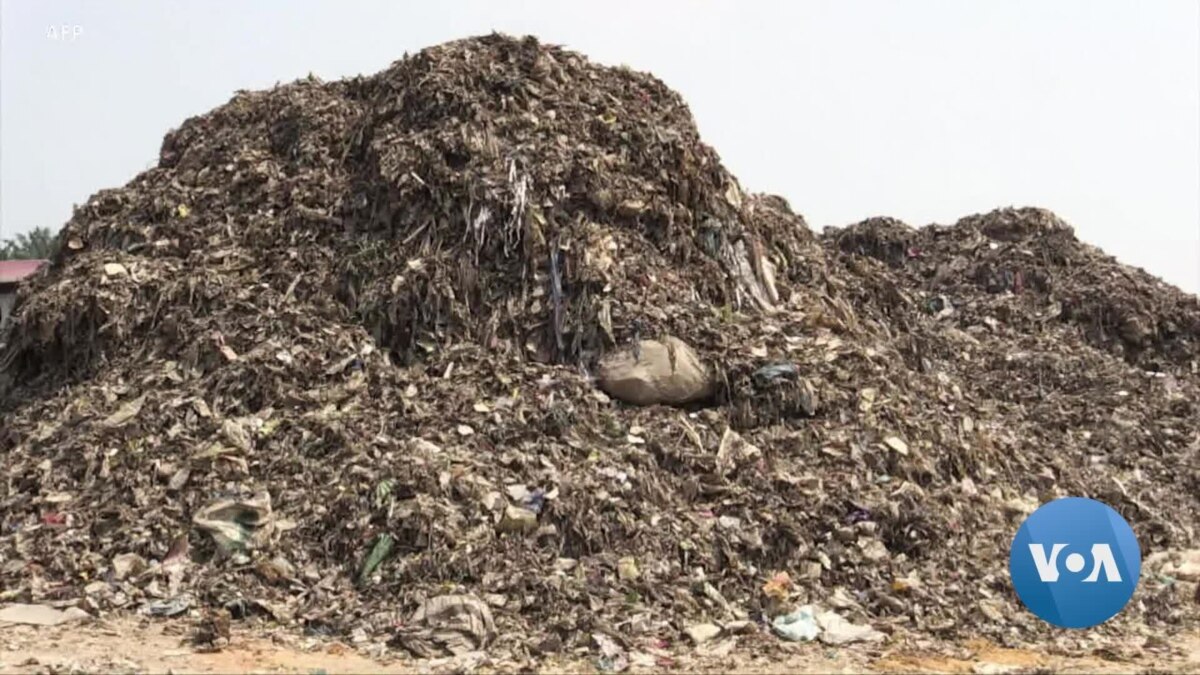
Wealthy Countries' Trash Overwhelms Southeast Asia

Plastic Mountains Plague Southeast Asia As Wealthy Nations Export Waste

Wealthy countries are exporting millions of tons of plastic waste to Southeast Asia where the recycling systems are becoming overwhelmed, leading to widespread pollution problems, according to an investigation by Greenpeace. Henry Ridgwell reports from London.

Let's block ads! (Why?)

Read More Plastic Mountains Plague Southeast Asia As Wealthy Nations Export Waste : http://bit.ly/2JaRxrY

HRW: 'Mass Surveillance App' Used to Target Muslims in China's Xinjiang

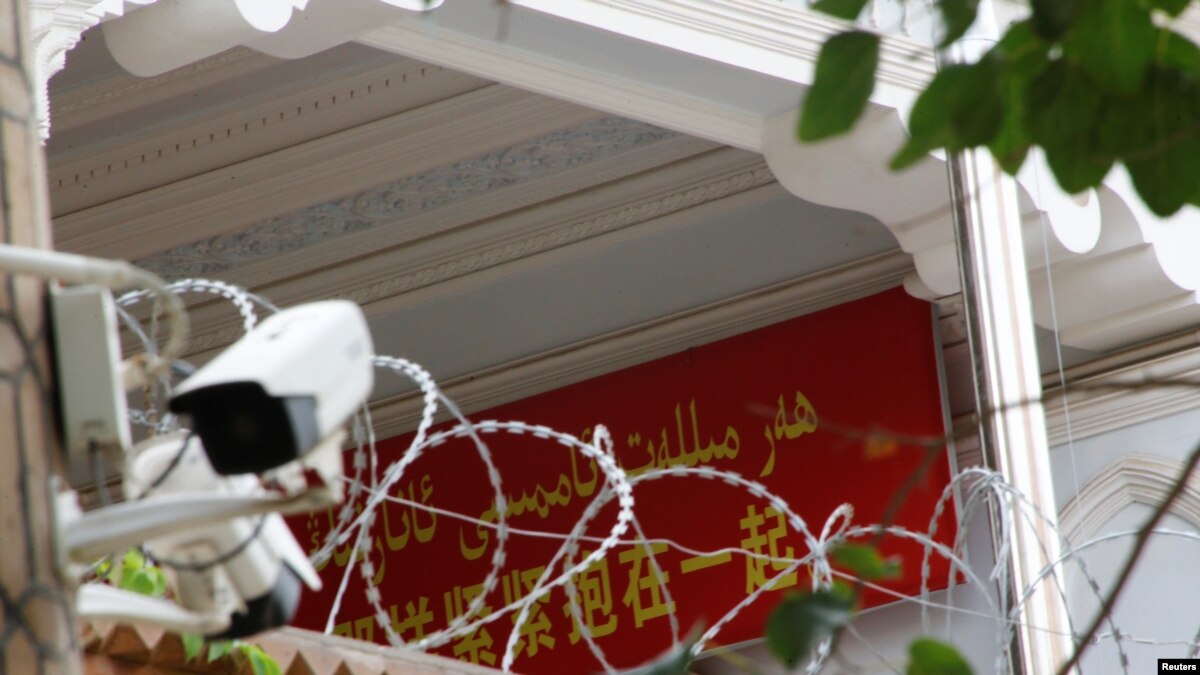
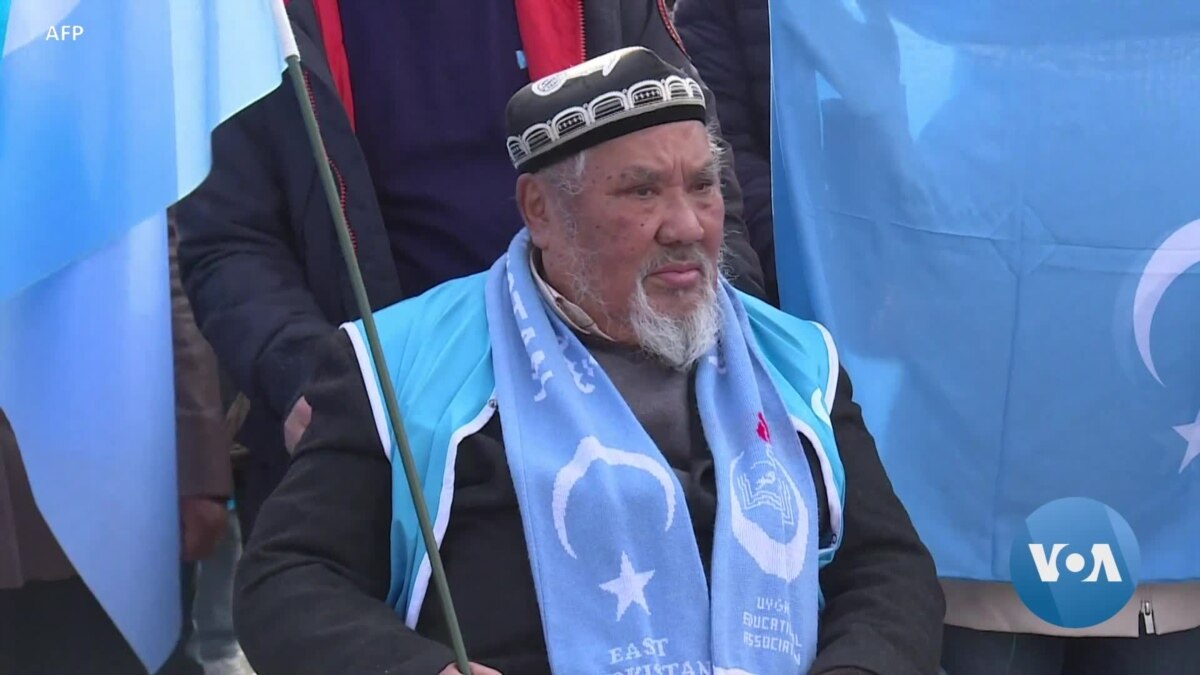
The Chinese authorities are using a “mass surveillance” app to profile, investigate, and detain Muslims in the northwestern region of Xinjiang, Human Rights Watch (HRW) says.

The New York-based watchdog said on May 2 that the mobile app is being used to "collect a wide array of information from ordinary people in Xinjiang," ranging from their blood type and height to their “religious atmosphere” and political affiliation.

The tool monitors people’s movements by tracing their phones, vehicles, and ID cards, and notes “suspicious” behavior like whether an individual fails to socialize with their neighbors or uses an “unusual” amount of electricity, according to HRW.

Police in Xinjiang “are using illegally gathered information about people's completely lawful behavior and using it against them," said Maya Wang, HRW's senior researcher on China.

Wang added that the Chinese government “is monitoring every aspect of people's lives in Xinjiang, picking out those it mistrusts, and subjecting them to extra scrutiny."

There are 13 million Uyghurs and members of other indigenous mainly Muslim ethnic groups in Xinjiang.

China has come under intense criticism for putting some 1 million of them in "reeducation centers" that rights activists say are mass internment camps -- an accusation Beijing denies.

Kazakhs are the second-largest indigenous community in Xinjiang after Uyghurs, and the region is also home to ethnic Kyrgyz, Tajiks, and Hui, also known as Dungans.

Let's block ads! (Why?)

Read More HRW: 'Mass Surveillance App' Used to Target Muslims in China's Xinjiang : http://bit.ly/2PJ9j6O

From Bodyguard to Queen, Thailand's Suthida Makes Public Debut

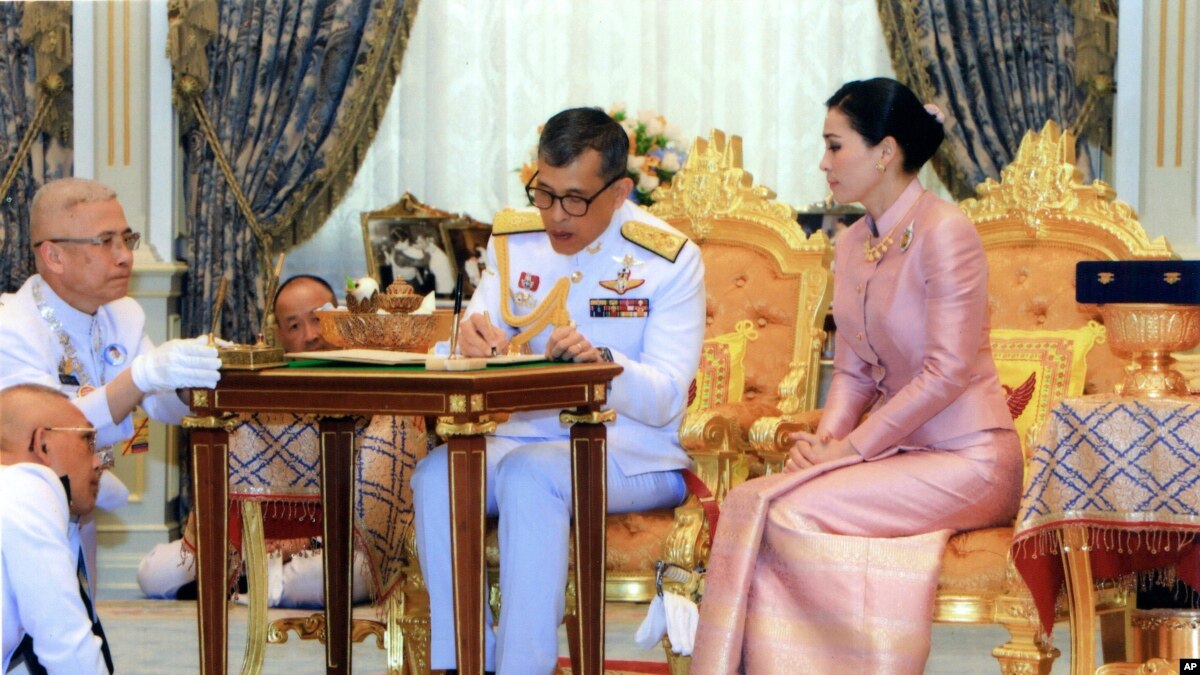
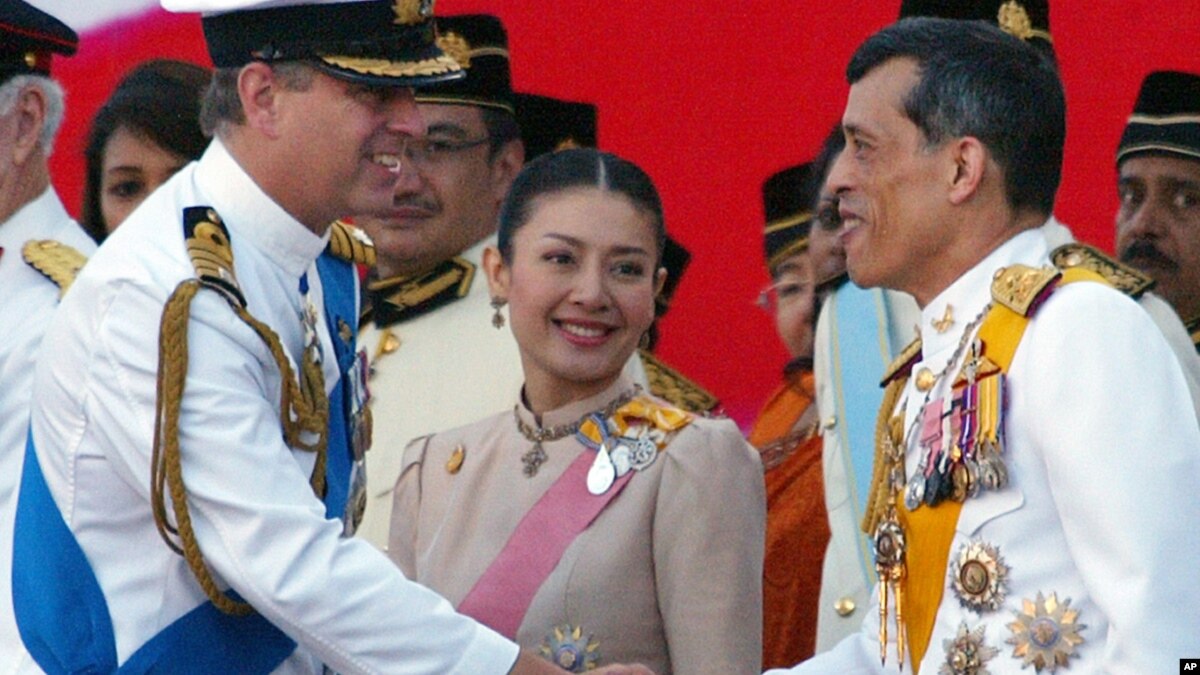
Thailand's Queen Suthida, the former deputy head of the royal bodyguard, made her first official public appearance Thursday at the side of Rama X, just days before his coronation.

The palace announced late Wednesday that King Maha Vajiralongkorn had married his long-time consort, Suthida Vajiralongkorn na Ayudhya, and made her his queen.

On Thursday she was seen kneeling alongside the king as they paid their respects to statues of previous Chakri dynasty monarchs in Bangkok's historic quarter.

Harsh lese-majeste laws mean unguarded discussion about the monarchy inside Thailand is virtually impossible, and the kingdom's normally bubbly social media was subdued in reaction to the news of the nuptials.

She is widely reported to have been a Thai Airways flight attendant before joining the king's retinue, but little biographical information has been released by the palace.

Suthida has shadowed the king at public events as part of his personal security retinue for some time.

She was given the rank of "general" in 2016, and in June 2017 appointed deputy commander of the king's Royal Guard.

In April she was seen seated stonefaced behind him wearing a white uniform with a black tie and epaulettes as he addressed police.

The unexpected news of the marriage has heightened curiosity around this weekend's coronation of the 66-year-old Vajiralongkorn, who as a result of the blasphemy laws also remains a mysterious figure to many Thais.

Photos of Suthida prostrating in respect to her husband at their wedding ceremony at Dusit Palace were widely used on newspaper front pages Thursday.

Vajiralongkorn wore a white uniform and Queen Suthida a pink Thai traditional dress.

Vajiralongkorn, who has been married three times, is frequently abroad in Germany and closely shields details of his private life.

The last coronation in 1950 was for Vajiralongkorn's father, the deeply revered Bhumibol Adulyadej.

The government has released a detailed schedule of the three-day coronation which starts on Saturday, but it remains unclear what role Queen Suthida will play.

Let's block ads! (Why?)

Read More From Bodyguard to Queen, Thailand's Suthida Makes Public Debut : http://bit.ly/2VfDfOh

Wednesday, May 1, 2019

Chinese Economic Outreach in Latin America Draws US Concerns

US, China Reportedly Near Deal to End Some Tariffs

May Day Around the Globe: Workers Demand Rights, Respect

Higher salaries, better working conditions, maternity leave, minimum wage and an end to discrimination against temporary or foreign workers: These were among the concerns as hundreds of thousands of union members and labor activists rallied around the world to mark May Day.

The tradition of May Day marches for workers’ rights began in the United States in the 1880s. It quickly spread to other countries at a time when industrialization pitted poorly paid employees who had few protections and little power against increasingly dominant factory employers and landowners.

Over the decades, the May Day protests have also become an opportunity to air general economic grievances or political demands. Here’s a look at Wednesday’s protests :

VIOLENT RADICALS DISRUPT MAY DAY IN FRANCE

French police clashed with stone-throwing protesters who set fires and smashed up vehicles as thousands of people gathered for May Day rallies under tight security. About 165 arrests were made.

Police repeatedly used tear gas to try to control the crowd gathering near Paris’ Montparnasse train station for the main protest. Some protesters were injured. Associated Press reporters saw groups of hooded, black-clad people shouting anti-police slogans, mixing with other protesters wearing yellow vests or waving union flags.

France’s interior minister warned earlier there was a risk that “radical activists” could join the protests in Paris and elsewhere, and deployed 7,400 police to counter them.

RUSSIAN WORKERS MARCH AT RED SQUARE

Authorities in Russia said about 100,000 people took part in a May Day rally in central Moscow organized by Kremlin-friendly trade unions on Red Square. Opposition activists said more than 100 people were detained in several cities, including for participating in unsanctioned political protests. In St. Petersburg, police arrested over 60 supporters of opposition leader Alexei Navalny. Some of them carried signs saying “Putin is not immortal,” in reference to Russian President Vladimir Putin, who has been at the helm of the country since 2000.

DETENTIONS AT TURKEY’S MAY DAY RALLIES

Turkish police detained May Day demonstrators trying to march toward Istanbul’s main square, which has been declared off-limits by authorities, who cited security concerns. Still, small groups chanting “May Day is Taksim and it cannot be banned,” attempted to break the blockade, with dozens reportedly detained. Taksim Square has held symbolic value for Turkey’s labor movement since 34 people were killed there during a May Day rally in 1977 when shots were fired into the crowd from a nearby building.

SRI LANKA CALLS OFF MAY DAY RALLIES

In Sri Lanka, major political parties called off the traditional May Day rallies due to security concerns following the Easter bombings, which killed 253 people and were claimed by militants linked to the Islamic State group.

GERMAN UNIONS DENOUNCE NATIONALISM

Ahead of rallies across Germany, the country’s biggest trade union group urged voters to participate in this month’s European Parliament elections and reject nationalism and right-wing populism. The DGB, a confederation of unions with almost 6 million members, warned that the political and economic turmoil in Britain following its vote to leave the European Union nationalism “shows what happens if those who stoke fear but have no plan for the future gain the upper hand.”

KOREANS DEMAND BETTER WORKING CONDITIONS

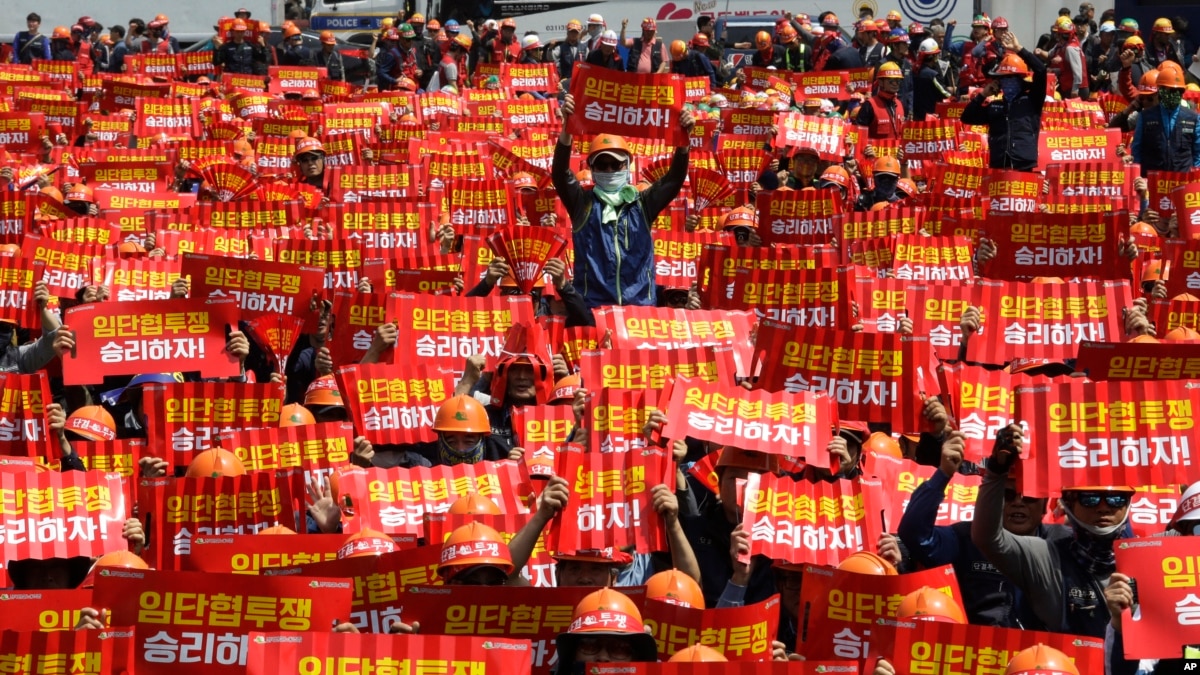
Wearing headbands and swinging their fists, protesters in South Korea’s capital of Seoul rallied near City Hall, marching under banners denouncing deteriorating working conditions and demanding equal treatment and pay for temporary workers. A major South Korean umbrella trade union also issued a joint statement with a North Korean workers’ organization calling for the Koreas to push ahead with joint economic projects, despite lack of progress in nuclear negotiations between Washington and Pyongyang.

MAY DAY PARALYZES TRANSPORT IN GREECE

Union rallies in Greece paralyzed national rail, island ferry and other transport services. Hundreds of people gathered in central Athens on Wednesday for three separate marches to parliament organized by rival unions and left-wing groups.

SPANISH WORKERS PRESS NEW GOVERNMENT

Spain’s workers marched in its major cities to make their voices heard days before acting Prime Minister Pedro Sánchez starts negotiating with other parties to form a new government. Leading labor unions are pressing Sánchez to roll back business-friendly labor and fiscal reforms that have remained in place since the conservatives were in charge.

GARMENT WORKERS SEEK MATERNITY LEAVE

In Bangladesh, hundreds of garment workers and members of labor organizations rallied in Dhaka, the capital, to demand better working conditions and higher wages. Nazma Akter, president of one of Bangladesh’s largest unions, said female garment workers were also demanding six months of maternity leave and protection against sexual abuse and violence in the workplace.

SOUTH AFRICA’S MAY DAY TURNS POLITICAL

An opposition party in South Africa used May Day to rally voters a week before the country’s national election. Economic Freedom Fighters members, wearing their signature red shirts and berets, gathered at a stadium in Johannesburg to cheer populist stances that have put pressure on the ruling African National Congress to address topics like economic inequality and land reform.

FILIPINO WORKERS DEMAND MINIMUM WAGE RISE

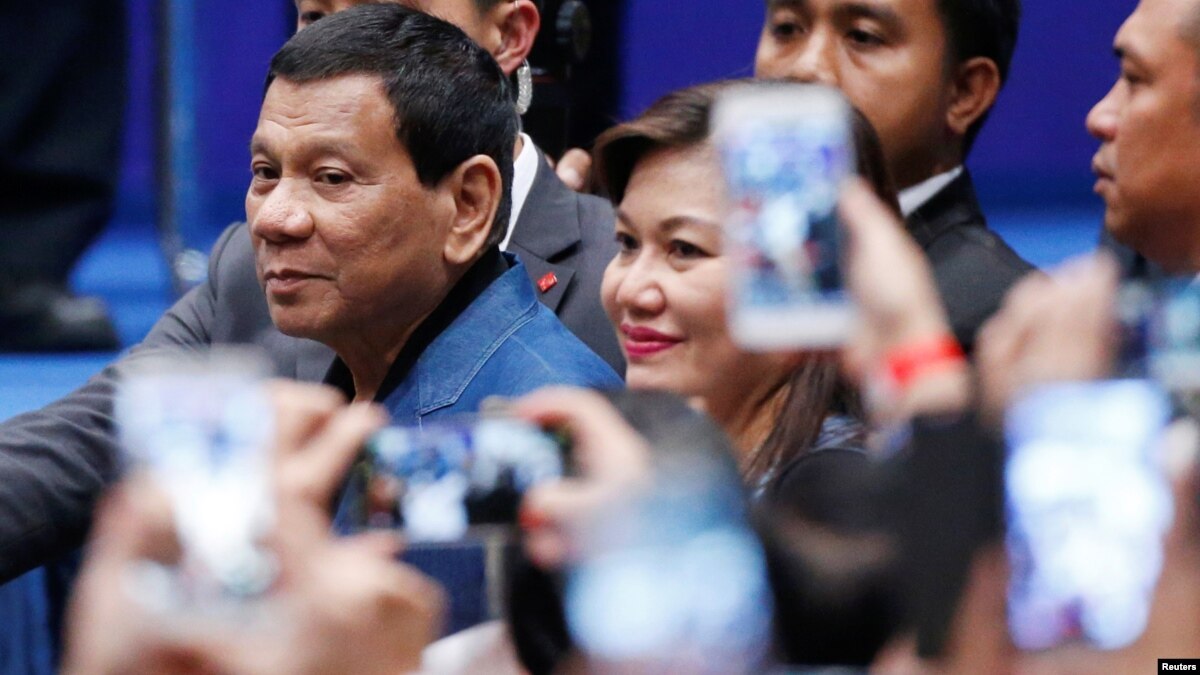
In the Philippines, thousands of workers and labor activists marched near the Malacanang presidential palace in Manila to demand that President Rodrigo Duterte’s government address labor issues including a minimum wage increase and the lack of contracts for many workers. One labor group said its members would not vote for any candidate endorsed by Duterte in upcoming senate elections and burned an effigy of the president.

FOREIGN WORKERS PROTEST IN HONG KONG

Construction workers, bus drivers, freelancers and domestic workers from outside the country joined a Labor Day march through central Hong Kong. The protesters marched from Victoria Park to the main government offices, some carrying banners reading “Maxed Out!” The Hong Kong Confederation of Trade Unions is demanding a maximum standard work week of 44 hours and an hourly minimum wage of at least 54.7 Hong Kong dollars ($7).

LOW-PAID WORKERS PROTEST IN JAKARTA

Thousands of low-paid workers took to the streets in Indonesia in Southeast Asia’s largest economy. Laborers in Jakarta, the capital, gathered at national monuments and elsewhere, shouting demands for higher wages, better benefits and improved working conditions.

Let's block ads! (Why?)

Read More May Day Around the Globe: Workers Demand Rights, Respect : http://bit.ly/2GV65uv

Thailand's King Appoints His Consort As Queen

Thailand's King Maha Vajiralongkorn, who will have his official coronation on Saturday, has appointed his consort as the country's queen.

An announcement Wednesday in the Royal Gazette said Suthida Vajiralongkorn Na Ayudhya is legally married to the 66-year-old king, and is now Queen Suthida.

Although she has been in the public eye for about three years, there has been little official information about her. She is reported to be 40 years old and to have previously worked as a flight attendant for Thai Airways International.

She joined the palace guard in 2014 and is commander of the king's bodyguard unit, currently holding a general's rank.

Vajiralongkorn, who has had three previous marriages, became king after the death in October 2016 of his father, King Bhumibol Adulyadej.

Let's block ads! (Why?)

Read More Thailand's King Appoints His Consort As Queen : http://bit.ly/2vvX1p4

Philippine Midterm Elections to Test Popularity of President Rodrigo Duterte

Rising inflation, endemic poverty, declining infrastructure and competing claims over territorial waters are among the issues facing Philippine voters when they vote May 13 in midterm legislative elections.

But instead of evaluating candidates on these issues, they are expected to cast ballots based largely on who’s been endorsed by President Rodrigo Duterte – a charismatic leader who remains popular in opinion surveys even though not all Filipinos like his policies.

The elections covering 18,000 seats throughout the archipelago, including local posts, will show the level of public support for the rough-hewn, tough-talking Duterte three years into his term. If his supporters keep their majorities in the two-chamber legislature, he will find it easier to cement such policies as a $169 billion infrastructure building effort, a deadly crackdown on illegal drugs and a fragile friendship with China, with whom it has competing claims in the South China Sea.

“Philippine elections are normally characterized as more personality driven, rather than program or party based, so in that sense the endorsement of the president is also very important,” said Maria Ela Atienza, a University of the Philippines political science professor.

The Commission on Elections will count ballots for six days after the election, in which 63 million citizens are eligible to vote.

Test of Duterte’s popularity

Duterte was elected to a six-year term in 2016 on pledges to eradicate illegal drugs and on his image as a non-establishment politician. He has surprised Filipinos as well as observers overseas by letting police summarily kill drug crime suspects.

He alarms some as well by accepting aid and investment from China while the more militarily powerful neighbor controls Philippine-claimed fisheries around a shoal near Luzon Island in the South China Sea and sends fleets to monitor Manila’s construction on another islet that the two countries contest.

But Duterte’s thunderous remarks have earned him populist appeal, while city dwellers credit him for reducing crime. The president received a 79 percent satisfaction rating in the first quarter of 2019 in a survey by the Metro Manila research institute Social Weather Stations. A pro-Duterte coalition now holds 16 of 24 Senate seats and 248 of 297 seats in the House of Representatives.

An endorsement from Duterte, a 74-year-old former mayor of the Philippines' second largest city, Davao, matters so much that in some districts more than one candidate has obtained it, said Antonio Contreras, a political scientist at De La Salle University in the Philippines.

Voting also comes down to personal image, Contreras said. The election is not “about issues” but “about personalities,” he said. Candidates with ties to established politicians tend to have more money for advertising and media exposure, said Renato Reyes, secretary general of the Manila-based Bagong Alyansang Makabaya alliance of left-wing social causes.

Some candidates with labor and women’s groups running for office outside the establishment have been hit by “misinformation,” Reyes added.

“It’s really a difficult fight for alternative candidates, for candidates who are more critical of the establishment, they tend to have less funds and less media exposure because they don’t have money to buy advertising,” he said. “That’s one of the hurdles we are trying to overcome so far as progressive candidates are concerned.”

Other political figures risk their lives. Two relatives of a candidate for local office in the province of Negros Occidental were shot to death April 25. They join at least 15 local officials slain from mid-2016 to mid-2018, possibly in connection with the anti-drug effort.

Duterte’s allies show strength

If pro-Duterte candidates win most of the Senate, the president will be able to push ahead with tax law changes favoring the poor and the renewal of a public infrastructure program -- from an airport flyover in Manila to the first railway line on the impoverished southern island of Mindanao. Duterte will step down in 2022; Philippine presidents can legally serve just one term.

Duterte is also expected to sustain the anti-drug crackdown, which local media estimate has claimed at least 5,000 lives in extrajudicial killings, in light of what he calls foreign syndicates entering the Philippines. He could expand as well on a friendship with China, which is helping to fund some of the infrastructure.

PulseAsia Research also called the Metro Manila water shortage a “key” issue. Consumer prices, jobs and “peace and order” also figure as issues that voters might consider, Atienza said.

Let's block ads! (Why?)

Read More Philippine Midterm Elections to Test Popularity of President Rodrigo Duterte : http://bit.ly/2PEnsCm

Tuesday, April 30, 2019

Japan's Naruhito in 1st Speech Vows to Stay Close to People

Lebanese Cabinet Begins Discussing Austerity Budget

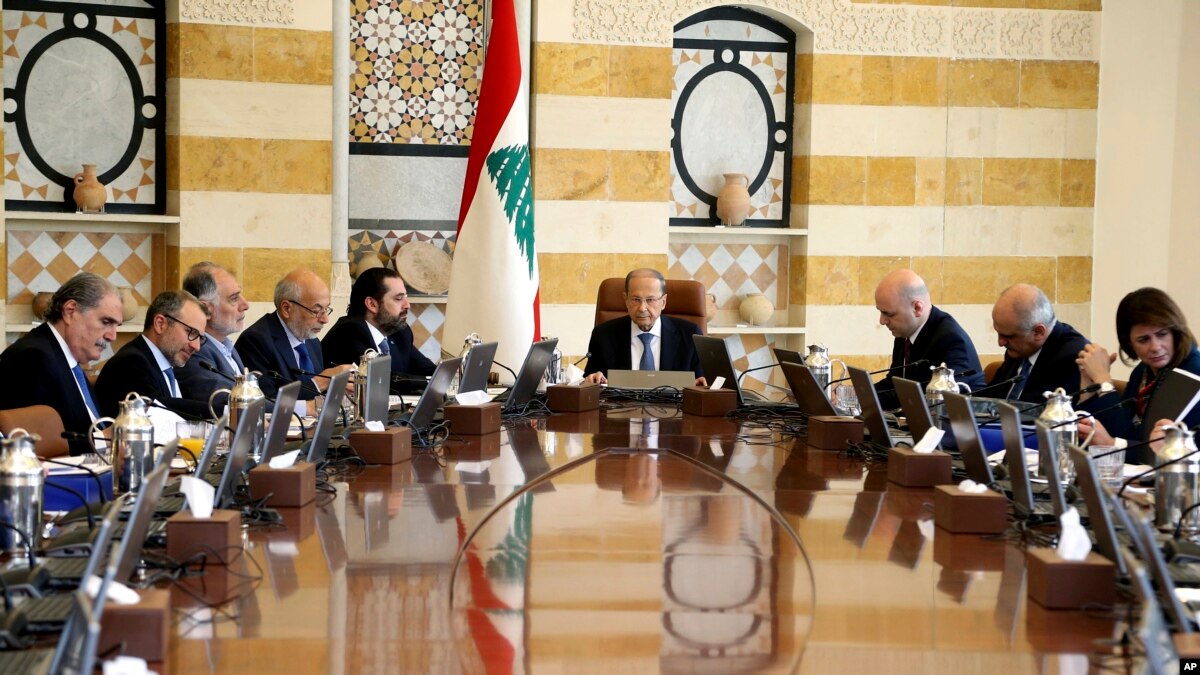
Lebanon's finance minister says the government has started open-ended discussions to quickly approve the country's draft austerity budget.

Lebanon's economy is suffering from slow growth, a high budget deficit and massive debt.

Ali Hassan Khalil told reporters after a Cabinet meeting Tuesday that the government aims to reduce the percentage of the budget deficit compared with the gross domestic product.

Leaks through the media about steps that could include cutting end of service and social benefits of civil servants have led to protests around Lebanon by retired military personnel and others.

The Labor Union called for a three-day strike starting Thursday if workers' demands are not met.

Khalil said he does not know the reason behind the call for the strike adding that the budget has not been approved yet.

Let's block ads! (Why?)

Read More Lebanese Cabinet Begins Discussing Austerity Budget : http://bit.ly/2V6yKVR

Netflix Announces Deal for Film About Thailand's Cave Boys

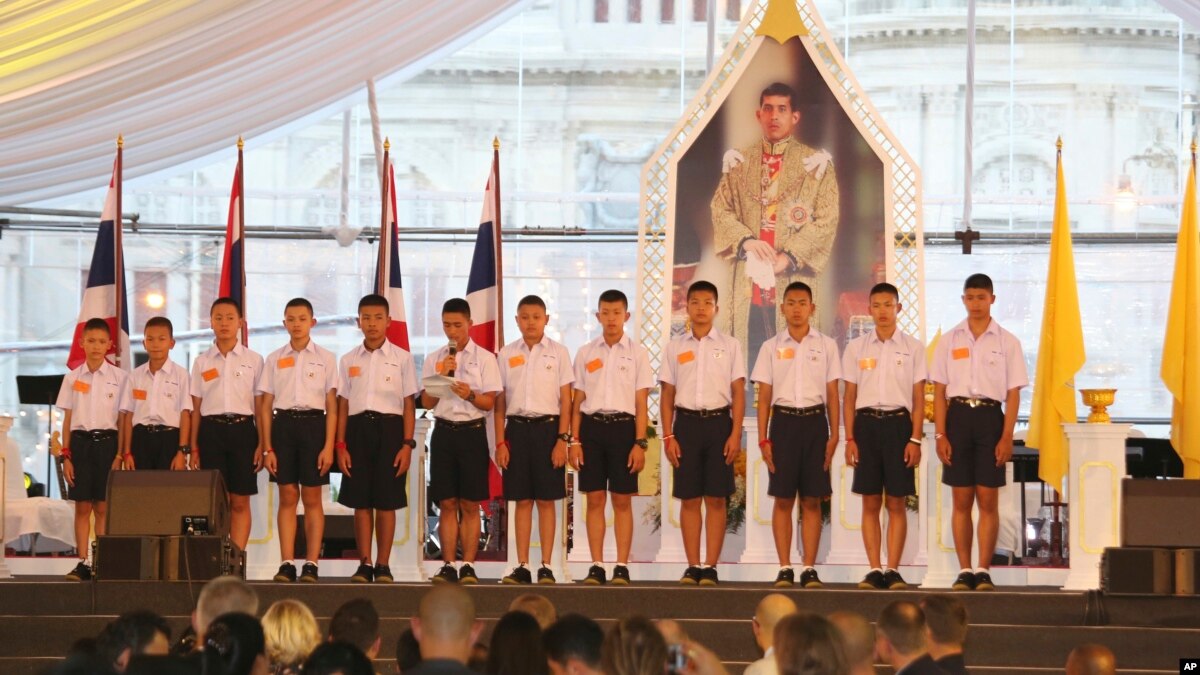
Netflix announced Tuesday it is joining with the production company for the movie “Crazy Rich Asians” to make a film about last July’s dramatic rescue of 12 village boys in northern Thailand who were trapped with their soccer coach in a flooded cave for more than two weeks.

Netflix and SK Global Entertainment said in Bangkok they have acquired the rights to the story from 13 Thumluang Co. Ltd,, a company that Thailand’s government helped establish to represent the interests of the boys and their coach, who attended the news conference for the announcement.

Thailand’s Culture Ministry in March first unveiled the deal, announced as a miniseries. Deputy government spokesman Weerachon Sukoondhapatipakat was quoted then as saying that the families of the cave survivors would each be paid 3 million baht ($94,000).

The boys of the Wild Boars soccer team and their coach became a center of world attention after they became trapped in the cave on June 23 last year, with doubts they were able to find shelter from rising flood waters that poured in after unexpected rain. They were found by two British divers and brought out by an international crew of experienced cave divers who teamed up with Thai navy SEALs in a dangerously complicated mission that was successfully concluded on July 10.

“We are grateful for the opportunity to thank the people and organizations from Thailand and around the world who came together to perform a true miracle, by retelling our story,” said Ekapol “Ake” Chanthawong, the boy’s assistant coach who shared the ordeal with them. “We look forward to working with all involved parties to ensure our story is told accurately, so that the world can recognize, once again, the heroes that made the rescue operation a success.”

Tuesday’s announcement said 13 Thumluang “has committed to donating 15% of the revenues derived from bringing this story to global audiences to charity organizations that focus on disaster relief.”

Jon M. Chu, who helmed “Crazy Rich Asians,” and Nattawut “Baz” Poonpiriya, a Thai filmmaker, will be directors on the cave project.

“We are immensely proud to be able to support the retelling of the incredible story of the Tham Luang cave rescue,” Erika North, director of International Originals at Netflix, said in a statement. “The story combines so many unique local and universal themes which connected people from all walks of life, from all around the world. Thailand is a very important country for Netflix and we are looking forward to bringing this inspiring local but globally resonant story of overcoming seemingly insurmountable odds to life, once again, for global audiences.”

The rescue was a rare bit of feel-good news from Thailand, which has been mired in political conflict and heavy-handed military rule for more than a decade. The cave rescue also allowed the government of Prime Minister Prayuth Chan-ocha, who had seized power in a 2014 military coup, to share in some glory.

An independent film about the adventure, “The Cave,” was shot soon after the rescue and is supposed to be released later this year.

Let's block ads! (Why?)

Read More Netflix Announces Deal for Film About Thailand's Cave Boys : http://bit.ly/2IPrHdJ

China Sentences 6 Foreigners for Drugs; Canadian Gets Death

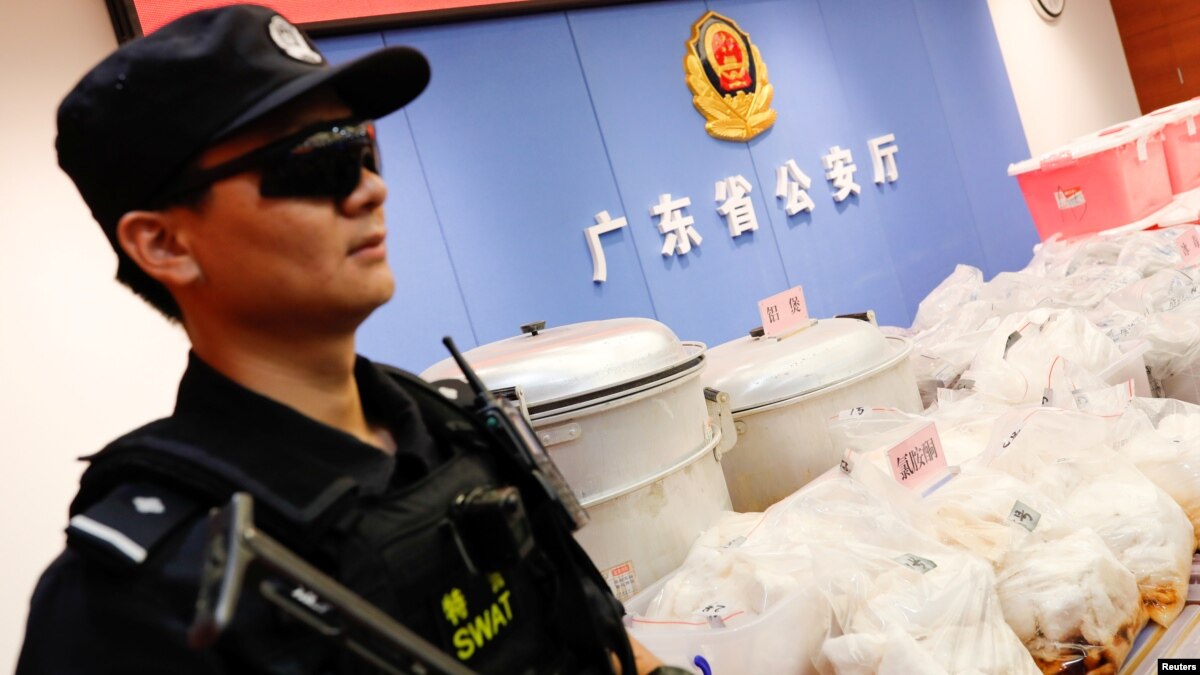
A court in southern China handed down sentences Tuesday to at least six foreigners involved in an international methamphetamine operation, including a Canadian given the death penalty.

The Jiangmen Intermediate People's Court in southern Guangdong province sentenced 11 people who produced more than 63 kilograms (139 pounds) of methamphetamine, an illegal drug.

Among them were one American and four Mexicans, who were all given life sentences or death sentences suspended by a period of two years. The court statement did not make clear which individual received what sentence, nor did it give their full names,

The Canadian sentenced to death was identified as “Fan Wei,” but it was unclear whether that's the person's legal name. A person identified as Wu Ziping, whose nationality was not specified, was also handed the death sentence.

The sentence is likely to further strain Sino-Canadian relations, which have frayed since Canada arrested a Chinese tech executive last December at the request of the U.S. Since then, China has detained two Canadians and delayed some Canadian exports in apparent retaliation.

According to the court, Fan Wei and Wu conspired to manufacture and sell the drugs in 2012, and brought the others - described as “drug-making technicians” - on board. Between July and November of that year, the court says, the group set up a “den” in Guangdong's Taishan city, where they produced and sold more than 63 kilograms of methamphetamine and 365.9 grams of dimethyl amphetamine.

A court employee reached by phone declined to give further details on the case.

In a separate drug smuggling case, China sentenced Canadian Robert Lloyd Schellenberg to death in a sudden retrial January - one month after Canadians Michael Kovrig and Michael Spavor were detained on vague national security allegations. The moves were widely seen as punishment for Canada's arrest of Meng Wanzhou, chief financial officer of the Chinese telecom company Huawei.

China has also suspended the license of two major Canadian canola exporters, alleging that officials discovered hazardous organisms in canola seed shipments.

Let's block ads! (Why?)

Read More China Sentences 6 Foreigners for Drugs; Canadian Gets Death : http://bit.ly/2vsLTcH

Activists Urge China to Not Repatriate N. Korean Defectors

US Treasury Secretary Hopes for 'Substantial Progress' in China Talks

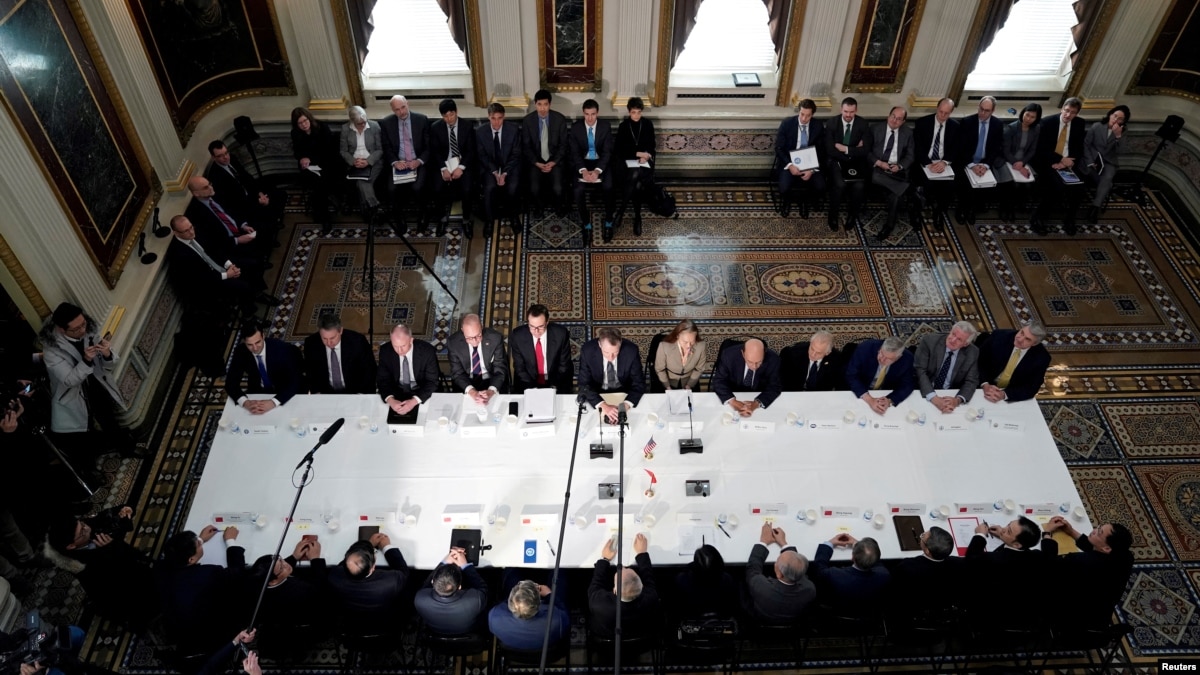
U.S. Treasury Secretary Steven Mnuchin says he hopes to makes "substantial progress" in trade talks with China, as the world's two largest economies try to reach a resolution to their trade war.

Mnuchin and Trade Representative Robert Lighthizer are leading a U.S. delegation meeting with Chinese officials this week in Beijing.

Next week, Chinese officials will travel to Washington for another round of talks.

Washington and Beijing have held several rounds of talks this year to resolve a trade war that began in 2018 when President Donald Trump imposed punitive tariffs on $250 billion worth of Chinese imports. He has been trying to compel Beijing to change its trade practices. China retaliated with tariff increases on $110 billion of U.S. exports.

Let's block ads! (Why?)

Read More US Treasury Secretary Hopes for 'Substantial Progress' in China Talks : http://bit.ly/2XUf70b

Thailand Prepares For First Coronation in Seven Decades

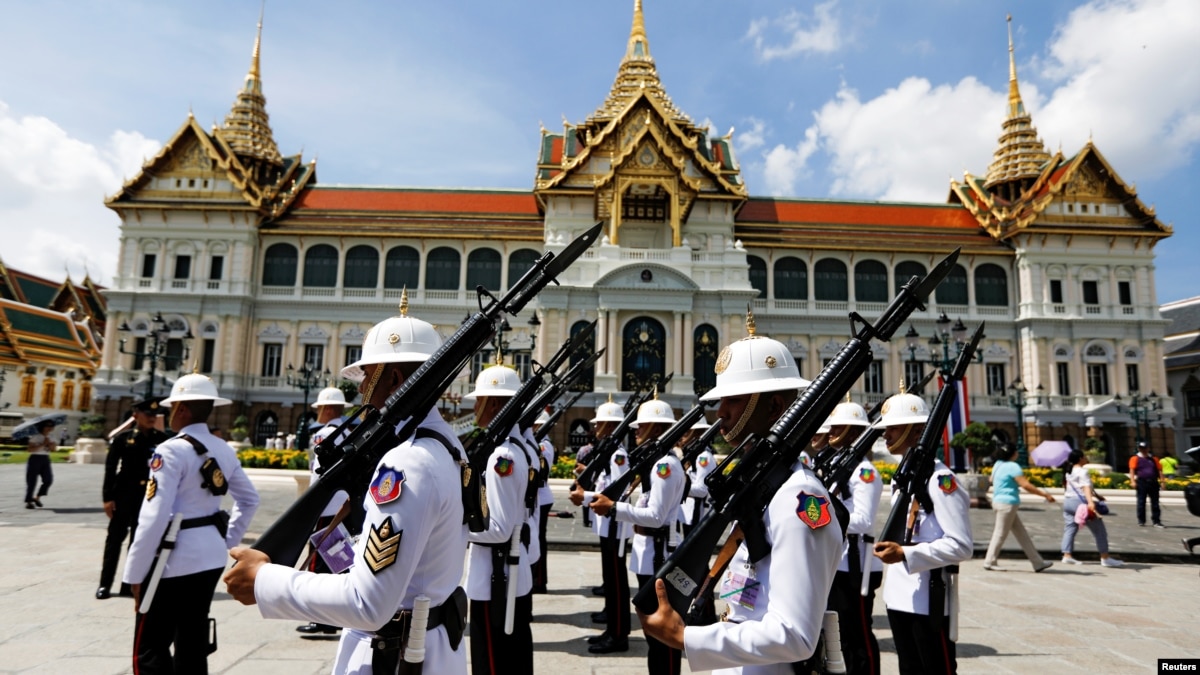
Thailand's teeming capital is gearing up for three days of elaborate ceremonies starting Saturday for the coronation of King Maha Vajiralongkorn, amid an ongoing tug-of-war among the country's entrenched political factions over the results of the country's first general election since a 2014 coup.

The coronation, estimated to cost upwards of $30 million, will be the first in the lifetime of most Thais. It follows the record-breaking reign of King Vajiralongkorn's father, King Bhumibol Adulyadej, who took the throne in 1946 and died in October 2016 at the age of 88.

While Thailand's constitutional monarchy wields limited political power, most Thais revere their royals as near-deities. Strict lèse-majesté laws also render the king virtually unassailable and have landed many in court or jail.

For the past few weeks, work crews have been sprucing up the routes around the Grand Palace, officials have been collecting and consolidating waters from across the country for the king's ablutions on Saturday — the day his is officially crowned — and major roads have been closed off for rehearsals for the main procession on Sunday. The king will meet the public and foreign dignitaries on Monday, which has been declared a public holiday.

The hundreds of thousands expected to turn out for the ceremonies have been invited to wear yellow, the king's color.

"It's highly important because it's the first coronation in 70 years, since the Second World War, so in this sense it's historic," said Prajak Kongkirati, a political science lecturer at Thammasat University in Bangkok.

"And also it represents [the] beginning of [a] new era, two new eras — not only the change of reign but also real change of new political order," he said.

While the king is meant to float above the country's contentious politics, the monarchy is rarely far from the fray.

The powerful military, which has been running Thailand since it toppled the elected government in 2014, sells itself as a bulwark against those — real or imagined — who would turn the country into a republic. And in the color-coded protests that have periodically rocked Bangkok over the past decade, the "red shirts" of the mostly rural, anti-military camp have faced off against the largely urban, pro-military "yellow shirts" draped deliberately in the royal hue.

King Vajiralongkorn also placed his stamp on the latest election after his elder sister made a surprise bid for prime minister with a party aligned with the anti-military camp.

Only hours after the princess announced her candidacy in February, the king issued a statement calling the move "highly inappropriate" and unconstitutional. The Election Commission soon disqualified her and a court dissolved the party that backed her run.

The commission is due to announce the full official results of the March 24 poll on May 9, three days after the coronation ceremonies conclude.

While the pro-military Palang Pracharat party won the popular vote, with prime minister and coup leader Prayuth Chan-ocha vying to hold on to his post on its ticket, control of the House of Representatives remains up for grabs.

Both Palang Pracharat and its main rival, Pheu Thai, which ran a close second, have already claimed the right to form the next government and are cobbling together coalitions hoping to secure enough legislative seats to do it.

Paul Chambers, a political analyst and lecturer at Thailand's Naresuan University, said the coming coronation has helped keep the contest from spilling into the streets as it has in years past, given the reverence most Thais have for the monarchy.

"The coronation is keeping the lid on... pent up frustrations," he said.

"The junta, and its aristocratic allies, realizes that people are not going to be happy with the [election] result that the military wants the outcome to be. But if in the period before the election outcome is announced, if during that period the coronation is going to happen, well, then Thai people are not supposed to create disorder and, you know, break the peace. So in a sense this really helps the military in that they can sort of compel Thai citizens to be peaceful," he added.

"On the other hand, the fact that the election is actually happening is really the result of the king wanting to have a democratic atmosphere prior to his coronation. So it is kind of an interesting confluence."

Though the junta has always promised to return Thailand to civilian control, it has postponed tentative election dates several times. And considering how divided the country remains, as the election proved, there was little pressure on the military to hold a vote any time soon, said Chambers — except from the royal palace.

Many expect Prayuth to secure enough combined votes in the House and the military-appointed Senate to hold on to the premiership. But if he does, he will be doing so after a tainted election and may have to manage with a minority coalition in the House.

"The importance of the coronation is that it forced the election to happen," said Chambers. "And then, after the coronation... and most likely Prayuth is the prime minister, people are not going to be happy, and it's going to create more problems for Prayuth."

Let's block ads! (Why?)

Read More Thailand Prepares For First Coronation in Seven Decades : http://bit.ly/2GTbims

Emperor Announces Abdication as Japan Marks End of Era

Indonesia Charts Two Soft Courses to Contain China

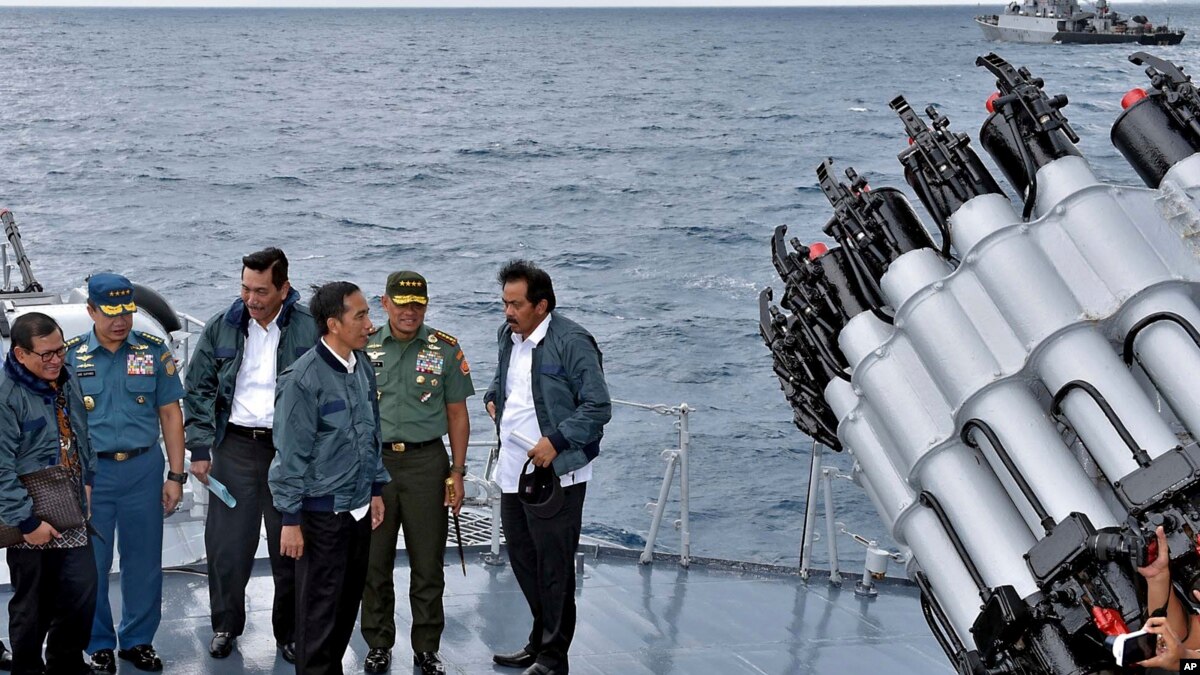
Expanding Chinese maritime interests in the Indian and Pacific oceans have emerged as a foreign policy priority across the region with Indonesia wanting and expected to play a key role as President Joko “Jokowi” Widodo settles in for his second term.

Two approaches are being pushed in diplomatic circles, but quietly, amid fears among smaller nations – like Cambodia, Laos, Brunei and even The Philippines – that opposing Beijing’s seaborne strategy would risk losing Chinese largesse and investment.

A trilateral relation between Indonesia, India and Australia is finding traction but is currently on ice with all three countries holding elections in the first half of this year. The second is the Indo-Pacific strategy, or Indo-Pac, an alliance between Indonesia,Australia, India, the US and Japan.

Kevin O’Rourke, an analyst with PT Reformasi Info Sastra, said the Indonesian economy remains Jokowi’s top priority and he is also reluctant to risk potential Chinese investment.

“However, he does seem to have a decent rapport with the current foreign minister Retno Marsudi, so she should continue, and she’s been a solid proponent of efforts to discuss the Indo-Pacific strategy, which has substantial support within elements of the foreign ministry,”he said.

“So I think that inclination for an Indo-Pacific strategy is going to continue in a second Widodo term.”

Chinese Expansion

China launched its “string of pearls” strategy— a forward line of ports and trade routes – at the turn of the century, crossing international sea lanes in the South China Sea and claiming disputed islands and reefs. Some within the Exclusive Economic Zone of its neighbors.

It has ignored its own signature to the United Nations Convention for the Law of the Sea and lost its claims to islands held by The Philippines at an international tribunal in The Hague.

Despite objections it pressed on.

On land, expansion was recast into China’s Belt and Road Initiative (BRI), described by the US as a“vanity project”,investing and lending heavily, then seizing assets when countries cannot afford to repay, known as debt traps.

Sri Lanka in the Indian Ocean was forced to handover Hambantota Port. In the Pacific, Australia was forced to outbidChina for control of a debt-ladened port in Fiji, a traditional base in its US-Pacific alliance.

Mohan Malik, of the Asia-Pacific Center for Security Studies, said Australia and Indonesia were the “quintessential Indian-Pacific” nations,“… in the sense that both these countries are Pacific powers as much as they are Indian ocean powers.”

Beijing also fell foul of Jakarta when it claimed Natuna Island – long recognized as Indonesian sovereign territory – as part of its nine dash line delineating its claims in the South China Sea. In a bid to reassert its sovereignty Jakarta renamed that maritime zone the North Natuna Sea.

“Indonesia wants to be a global maritime fulcrum, how it can play that role is open to question, it’s a lofty concept, it’s identical to the Indo-Pacific construct,” Malik said.

Twin strategies

Don Greenlees, a senior fellow with Australian National University, said Indonesia’s China policy remained “a work in progress” as it was difficult to predict what China would do next.

“They do see the South China Sea as potentially quite a dangerous flashpoint. They’ve got their territorial problems there with China, north of Natuna, and so it’s a bit of a balancing act and I think it’s the same balancing act, frankly, that everybody’s trying to grapple with,” he said.

Indian elections will not be completed until May 19,Australians go to the polls on May 18 while the next Indonesian government will not be sworn in until October 1.

Any further movement on building a trilateral relation between the three or formalizing and expanding the Indo-Pac strategy to include other countries is unlikely until later this year.

Both would mean increased military exercises, joint-policing and naval bases to counter Chinese influence from spreading southeast and southwest. Last year Indonesia signed a Comprehensive Strategic Partnership with Australia and is expected to sign a similar pact with India soon.

Analysts said the trilateral relationship was the easier option because it was underpinned by common diplomatic sense and three regional powers with common interests.

However, the Indo-Pac strategy and efforts to coax support from other countries had been tainted by a heavy US influence and its trade war with China, which Malik said had made Indonesia reluctant to offer its support publicly.

“What is very off is the security orientation or connotation that this concept has acquired under the US-Trump administration; free and open Indo-Pacific, which is seen as putting countries on notice in terms of choosing sides,” Malik said. “Other countries are torn between China and the U.S.”

Ties that bind

In the meantime, all three countries are pushing ahead with their own strategies.

Indonesia and India are developing a 40 meter deep port at Sabang on the northern tip of Sumatra. India’s navy is building military facilities at Port Blair, including new airstrips, and is expanding its its reach across the Andaman and Nicobar islands.

In March, Australia launched the Indo-Pacific Endevour 19, a naval deployment with India, Indonesia, Sri Lanka, Malaysia, Thailand, Vietnam and Singapore.

“That sends a very strong signal to China,” Malik said, adding that naval drills between Australia, India and Indonesia could become routine.“It would make sense for Indonesia to come out openly in favor of a Indo-Pacific concept.”

India has objected to BRI saying, in part, it violates its sovereignty because of developments built in Pakistan controlled areas that India regards as its own.

It was also a pointed no show at this weekend’s second BRI Forum in Beijing, which attracted delegates from 150 nations, including 36 leaders. Indonesia was the only country from Southeast Asia not to send its head of state while Australia mustered a mid-level delegation.

Let's block ads! (Why?)

Read More Indonesia Charts Two Soft Courses to Contain China : http://bit.ly/2IP6D75

US Watchdog Cites China As One of the Worst Violators of Religious Freedom

An independent U.S. watchdog group labeled sixteen nations Monday as "countries of particular concern" for engaging in "systematic, ongoing, egregious violations" of religious freedom. The U.S. Commission on International Religious Freedom cited China as one the worst violators, detaining between 800,000 and two million adult Uighur Muslims in concentration camps and relegating some of their children to orphanages. VOA’s Diplomatic Correspondent Cindy Saine reports.

Let's block ads! (Why?)

Read More US Watchdog Cites China As One of the Worst Violators of Religious Freedom : http://bit.ly/2UPF5js

Search

Featured Post

Rubin Museum, Haven for Asian Art, to Close After 20 Years - The New York Times

It is the first major art museum in New York to close within recent memory. The museum had financial challenges and has faced accusations o...

Postingan Populer